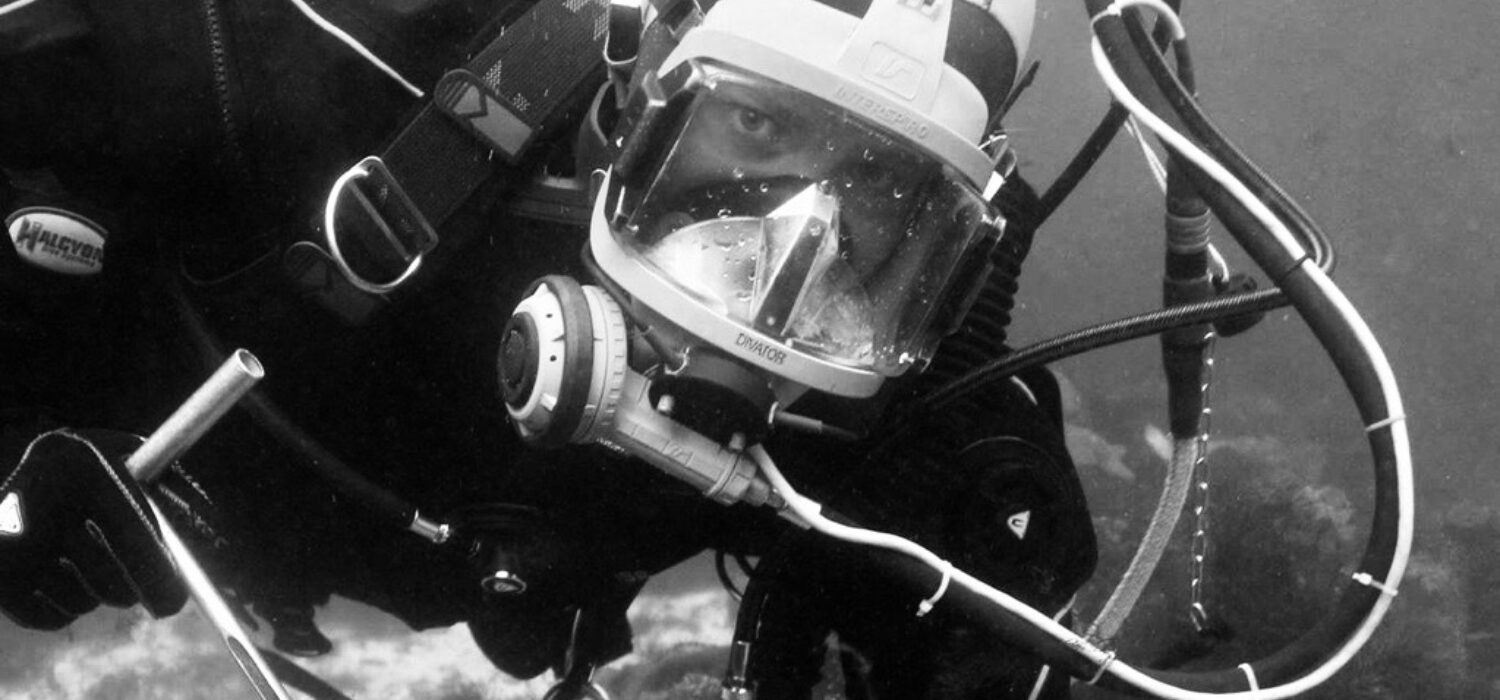
What do archaeologists do?
The archaeologists at Stavanger Maritime Museum work to preserve and manage underwater cultural heritage in Rogaland and neighbouring maritime areas. We survey, document and assess traces of human activity in the sea and inland waterways, such as shipwrecks, harbour installations, settlements, fish traps and other underwater cultural heritage sites.
Cultural heritage sites in the sea and inland waterways are protected under the Cultural Heritage Act if they are more than 100 years old (for ships, boats and cargo) or date from before 1537.
Maritime refers to anything connected to the sea, seafaring or shipping. The term is commonly used about matters relating to the sea, ships, coastal areas or activities on and around the water. We are also responsible for the management of cultural heritage in lakes and inland waterways, and therefore use the collective term underwater cultural heritage.
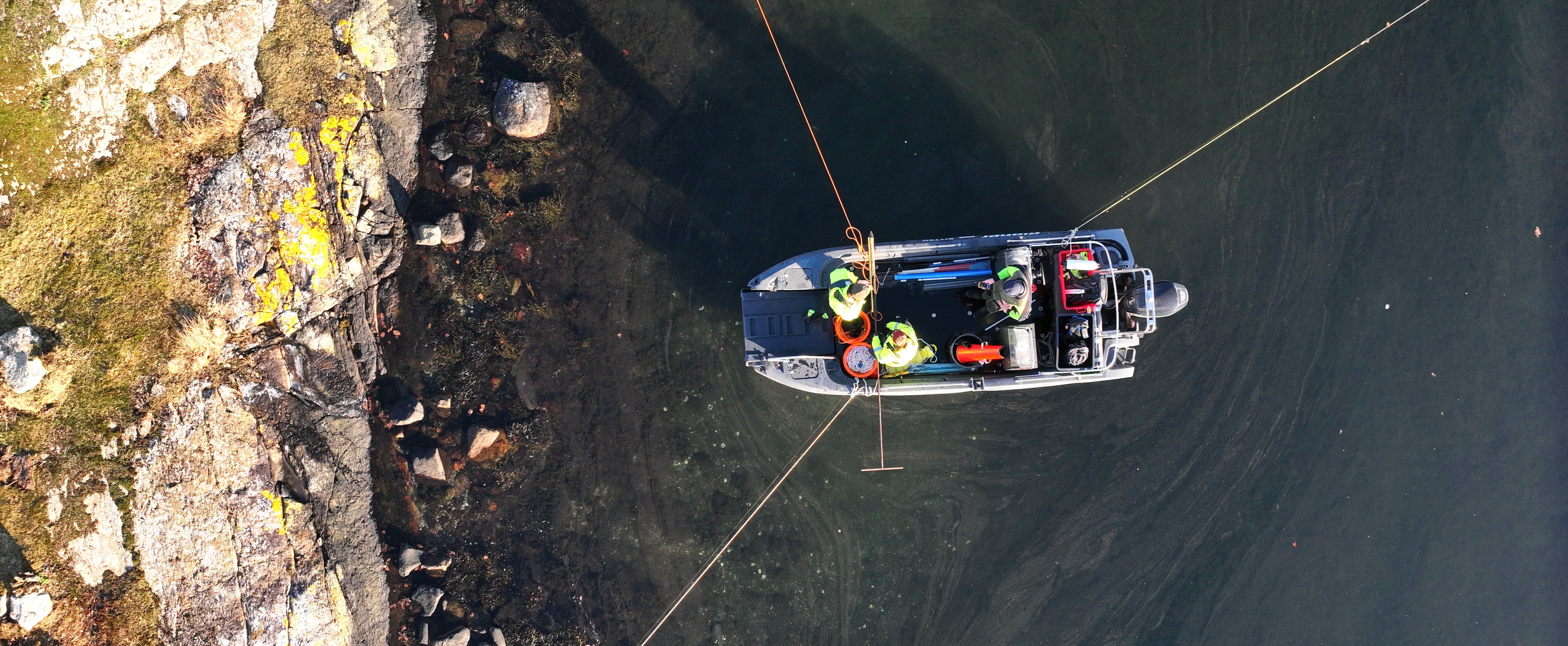
Who are we?
At Stavanger Maritime Museum, six archaeologists specialising in underwater archaeology work across a broad range of areas, including survey, documentation, heritage management, research and public engagement.
We assess how various interventions — such as dredging, quay construction, cable laying, aquaculture and energy development — may affect cultural heritage sites. Our aim is to ensure that important traces of the past are not lost.
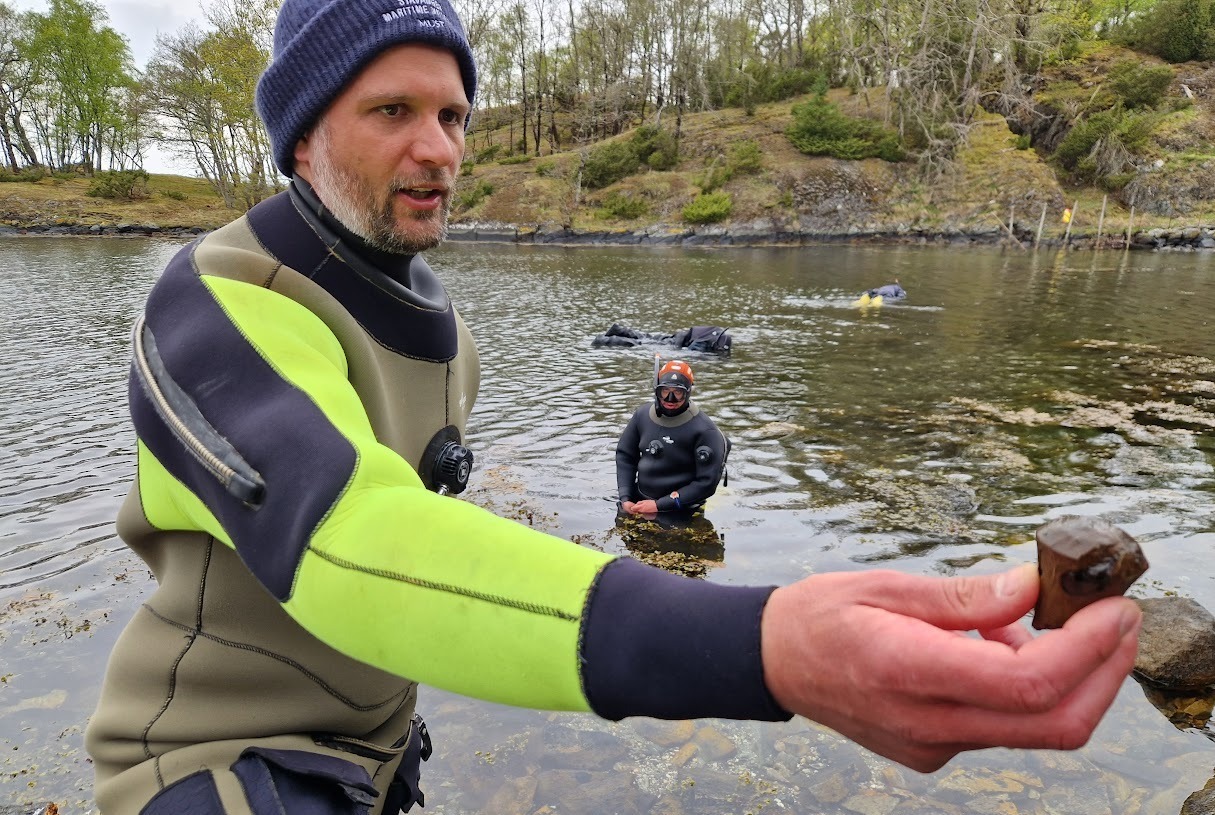
Case Processing and Advisory Work
Stavanger Maritime Museum serves as the regional specialist and administrative authority for underwater archaeology, and receives plans and applications from municipalities, consultants, developers and public agencies. We assess which interventions may cause harm to cultural heritage sites in the sea and inland waterways, and provide professional advice and statements in planning and building cases.
We work closely with, among others, the Directorate for Cultural Heritage (Riksantikvaren), Rogaland County Council, the Archaeological Museum at the University of Stavanger, local diving clubs and divers. Our role is to ensure that underwater cultural heritage is taken into account in the development of society.
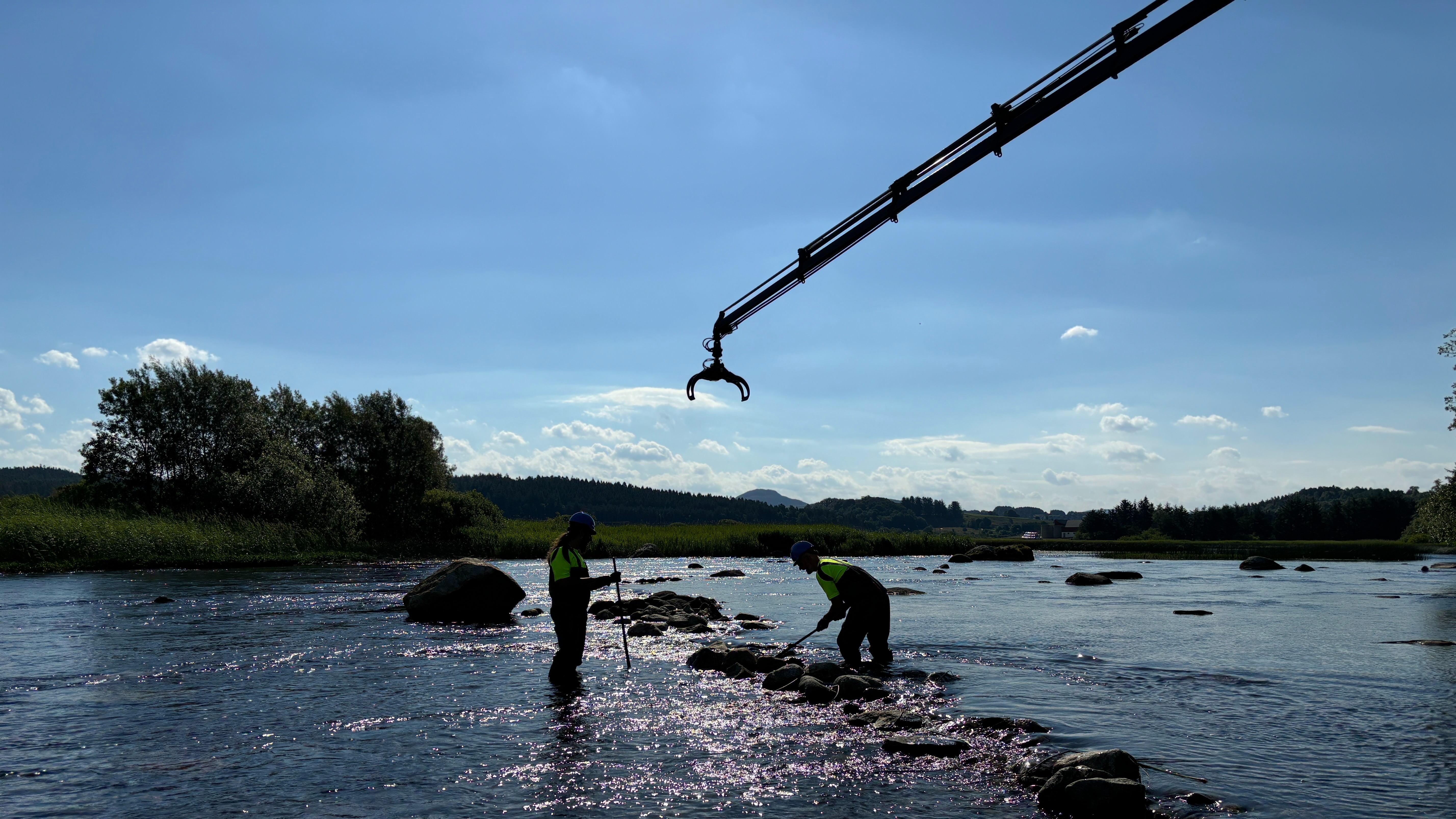
Surveys and Documentation
We carry out archaeological surveys in the sea, lakes and inland waterways to map and document cultural heritage sites. This takes place both in advance of interventions and as part of research projects.
A survey may be carried out using the following methods:
- Multibeam echo sounder and side-scan sonar
- ROV (remotely operated underwater vehicles)
- Diving and visual inspections, excavation of trenches and test pits
Research and Public Engagement
Our archaeologists participate in national and international research projects, and we work continuously to improve methods for mapping and conservation.
We aim to make cultural heritage accessible to the public through exhibitions, lectures, articles and digital channels. We also collaborate with schools, volunteers and local communities to foster engagement with cultural heritage in the sea and inland waterways.
Since 2024, Stavanger Maritime Museum has strengthened its commitment to research and public engagement thanks to support from the Ministry of Culture through IRMAS (Inter-Regional Maritime Archaeological Collaboration) — a partnership between Museum Stavanger, the Norwegian Museum of Cultural History and Museum Vest.